What are Stroopwafels? A Guide to the Dutch Delicacy
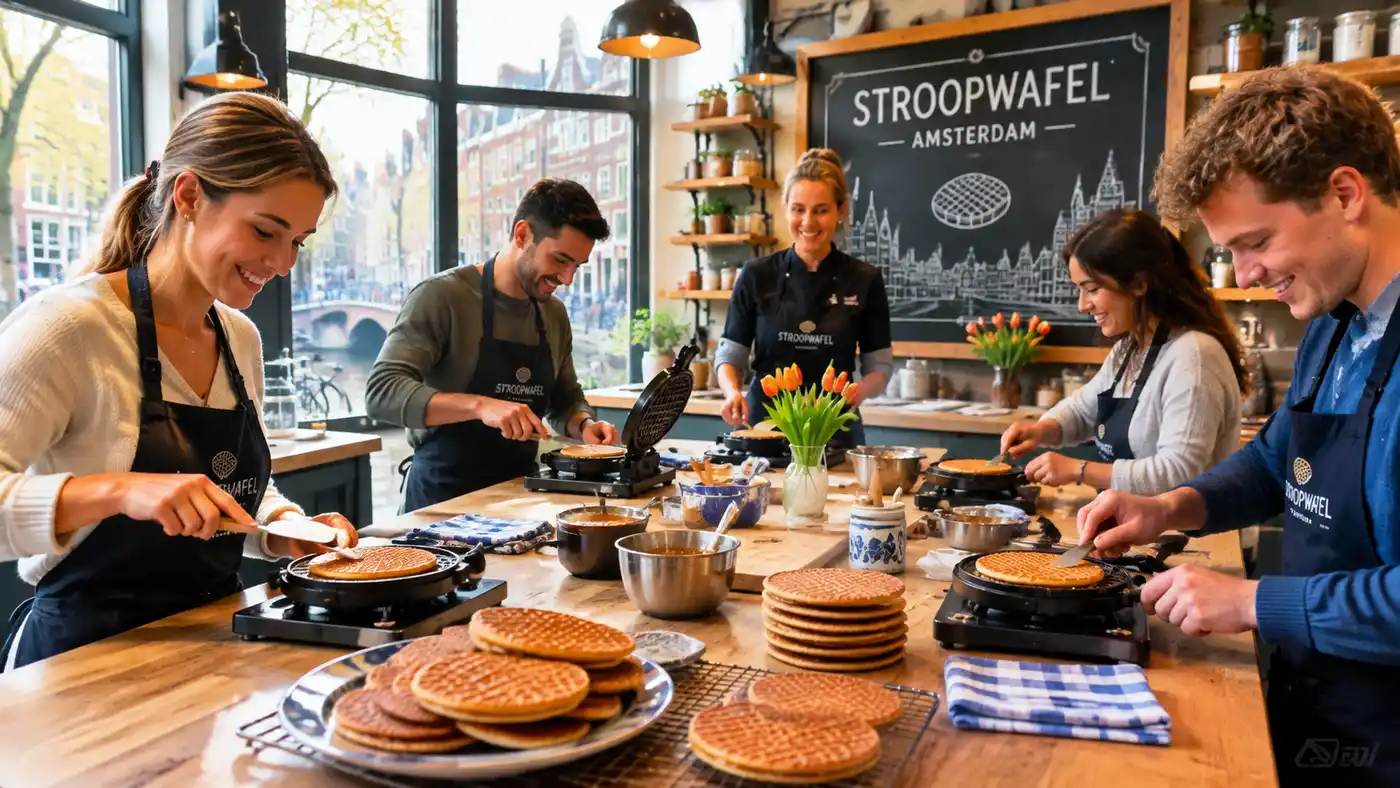
Imagine walking through a bustling Dutch market, a crisp autumn breeze carrying the scent of something warm, sweet, and utterly irresistible. That, my friend, is often your first introduction to an authentic stroopwafel. These delightful caramel waffle cookies are more than just a snack; they are a truly iconic part of Dutch culture, a sweet hug in biscuit form that travelers quickly fall in love with. This guide will peel back the layers of this beloved treat, much like you might separate the two thin waffle halves. We'll explore its humble beginnings, how these golden discs are crafted with surprising skill, and crucially, the very best ways to enjoy them. From finding the perfect `verse stroopwafels` to pairing them with your morning `stroopwafel coffee`, prepare to dive deep into the world of the original stroopwafels.Book your stroopwafel making class amsterdam experience:
The Story Behind Your Caramel Waffle Cookies
The history of the stroopwafel is a charming tale rooted in resourcefulness, originating in the city of Gouda, Netherlands, way back in the early 19th century. Bakers there, honestly, didn't want anything to go to waste. They were clever. Using leftover breadcrumbs, mixed with a bit of syrup, they pressed these ingredients into thin, round cakes. It was a simple, affordable treat for the working class. Over time, the recipe evolved. The breadcrumbs were replaced with a proper dough, and the syrup filling became the rich, gooey caramel we know and love today. The earliest known recipe dates back to 1840, solidified by a baker named Gerard Kamphuisen. His genius transformed a humble, economical snack into a national treasure. These `hollandse stroopwafels` quickly spread beyond Gouda, becoming a staple in bakeries and markets across the Netherlands. It's a testament to how something so basic can capture hearts globally.What Exactly is an Original Stroopwafel?
At its heart, an original stroopwafel is a deceptively simple creation: two thin, crispy waffle halves, joined by a luscious layer of caramel syrup. The waffles themselves are not like the fluffy Belgian kind you might imagine. Instead, they are dense, slightly chewy, and have a distinct grid pattern, cooked on a special iron. It's the perfect vessel for that warm, sticky filling. The dough for these `dutch waffle cookies` typically involves flour, butter, brown sugar, yeast, milk, and eggs. Sometimes a hint of cinnamon or nutmeg is added, giving them a subtle warmth. The real magic, though, is in the "stroop," or syrup. This caramel filling is usually a blend of molasses, brown sugar, butter, and often a touch of cinnamon. When you bite into one, you get that delightful contrast of the slightly crisp waffle yielding to the soft, sweet caramel. It is a texture experience that makes `caramel stroopwafels` so addictive.Pro tip: Always seek out the ones made right in front of you at a market. The difference in taste and texture when they're still warm is truly something else. They're just softer, more fragrant, and the caramel is perfectly gooey.
- Thin, Crispy Waffles: Two delicate, gridded discs.
- Rich Caramel Filling: A warm, sweet molasses and butter syrup.
- Distinct Aroma: Hints of cinnamon and baked sugar fill the air.
- Perfectly Round Shape: Each one is a neat, uniform circle.
How Are These Dutch Waffle Cookies Made?
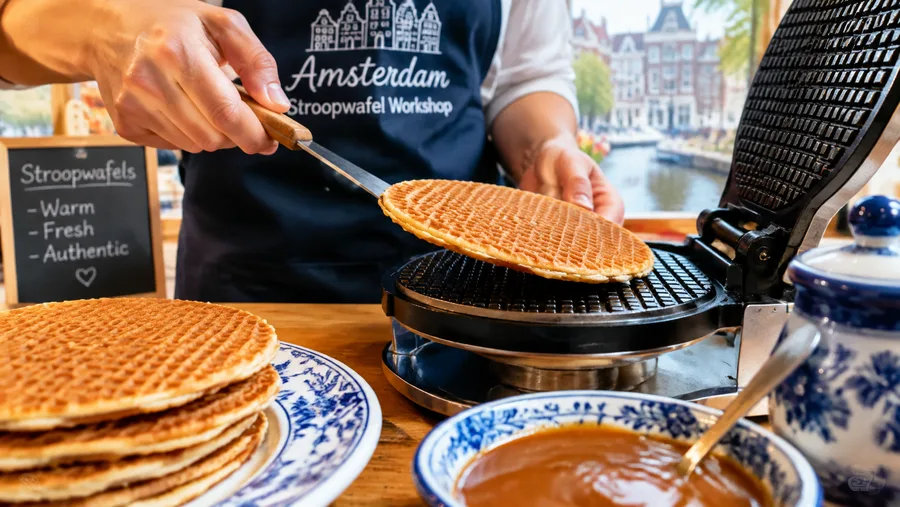
Witnessing the creation of `dutch syrup waffles` is a mesmerizing experience, especially at a street market. The process starts with a simple ball of dough, much like you'd use for any cookie. This dough is placed onto a specially designed waffle iron – it looks a bit like a flat panini press, but with a fine, shallow grid pattern. The iron quickly bakes the dough into a thin, round waffle. This takes maybe 40 seconds. The moment the waffle comes off the iron, still piping hot, is when the real skill comes in. The baker, with incredible speed and precision, uses a sharp, thin knife to slice the waffle horizontally into two even halves. This has to be done while the waffle is still very warm and pliable; wait too long, and it'll just crumble. After splitting, the warm caramel syrup is quickly spread onto one half, and the other half is placed on top, pressing them together. The residual heat from the waffle melts the syrup slightly, cementing the two halves. The smell of `verse stroopwafels` being made is intoxicating. If you're curious about trying your hand at making them, you might want to check out some options for a stroopwafel maker and iron. It is a fun project, though getting the splitting just right takes practice.Book your stroopwafel making class amsterdam experience:
The Best Way to Enjoy Your Stroopwafel Coffee
The most classic, and honestly, the best way to enjoy a `caramel waffle biscuit` is with a hot cup of coffee or tea. This isn't just a suggestion; it's a ritual. You place the stroopwafel directly on top of your steaming mug, letting it sit there for about two minutes. The warmth from the drink softens the caramel filling, making it wonderfully gooey and slightly melty. It is a simple pleasure, transforming a good biscuit into an extraordinary one. Then you take a bite, and the soft, warm caramel oozes slightly. The waffle itself becomes a little softer, less brittle. This `stroopwafel coffee` pairing is a match made in heaven, a small luxury for any time of day. But don't limit yourself to just coffee. These `caramel waffles` are incredibly versatile. I've seen people crumble them over ice cream, use them as a base for cheesecake, or even just eat them plain, cold from the package. While the warm method is traditional, a cold stroopwafel is still a very good cookie.Note: Be mindful of overly sweet supermarket versions. Some mass-produced `dutch waffle biscuits` can have a very high sugar content that masks the nuanced flavor of the caramel and waffle. Look for ones with good quality ingredients.
- The Mug-Warmer: Place on a hot mug for 1-2 minutes until caramel softens. This is the quintessential experience.
- Plain and Simple: Enjoy it straight from the package for a quick, satisfying treat. Great for snacking on the go.
- Dessert Topping: Crumble over vanilla ice cream, yogurt, or even a fruit salad. Adds a lovely texture and sweetness.
- Baked Goods Inclusion: Chop into pieces and mix into pancake batter, muffins, or even a cookie dough.
Where to Find the Best Authentic Stroopwafel in the Netherlands
When you're in the Netherlands, especially Amsterdam, finding an authentic stroopwafel is not hard, but finding the *best* one requires a little effort. Your absolute top priority should be the local markets. The Albert Cuyp Market in Amsterdam is famous for its stroopwafel stalls, where they are made fresh to order. The line might be 15 people deep, but it moves fast, and honestly, it is worth the wait. The aroma alone is enough to draw you in. Beyond the big markets, keep an eye out for small independent bakeries. Many towns across the `stroopwafel netherlands` have a local baker who prides themselves on their `dutch stroopwafel`. These often use family recipes passed down through generations, offering a truly unique taste. Sometimes, these small shops might not look like much, but they hide true culinary gems. For specific recommendations in the capital, you might find our guide to the best stroopwafels in Amsterdam helpful. Van Wonderen Stroopwafels is another spot people talk about, though they do a very specific, highly decorated version. You can read a review of Van Wonderen Stroopwafels to see if it's for you. You can, of course, find packaged `stroopwafels holland` in any supermarket. These are perfectly fine for bringing home as gifts or for a quick snack, but they simply do not compare to the warm, fresh ones. The texture is different, often a bit harder, and the caramel isn't as soft and fragrant. For a true taste of the Netherlands, always go fresh if you can.| Type | Taste & Texture | Typical Price | Availability |
|---|---|---|---|
| Freshly Made (Market) | Warm, soft, gooey caramel, slightly crisp waffle. Rich aroma. | €2.50 - €4.00 per large stroopwafel | Markets, street vendors, specialty shops |
| Packaged (Supermarket) | Cooler, firmer caramel, crispier waffle. Less aromatic. | €1.50 - €3.00 for a pack of 8-10 small ones | Supermarkets, souvenir shops |
Frequently Asked Questions about authentic stroopwafel
Are stroopwafels only found in the Netherlands?
While their origin is Dutch, authentic stroopwafel treats are now enjoyed worldwide. You can find them in specialty stores or even order them online, but the freshest experience is always in Holland.
How long do stroopwafels stay fresh?
Freshly made stroopwafels are best eaten within a day or two. Packaged ones, however, have a much longer shelf life, often several months, thanks to preservatives and careful packaging.
Can I make stroopwafels at home?
Absolutely! With a special stroopwafel iron and the right recipe, you can definitely make them. It takes a bit of practice to get the technique down, especially the splitting, but it is a rewarding baking project.
Quick Reference
- Origin: Gouda, Netherlands, early 19th century
- Ingredients: Two thin waffles, caramel syrup filling
- Traditional Serving: Warmed over a hot mug of coffee or tea
- Best Place to Buy: Freshly made at Dutch markets
Book your stroopwafel making class amsterdam experience:
My Take on the Dutch Delicacy
My first bite of a warm, authentic stroopwafel at the Albert Cuyp Market felt like a secret handshake with Dutch culture. It was simple, perfect, and utterly comforting. These aren't just cookies; they're a piece of history, a symbol of Dutch ingenuity, and a delightful ritual. Whether you're planning a trip to the Netherlands or just looking for a new sweet treat to brighten your day, seeking out these `caramel waffle cookies` is an absolute must. Trust me, your taste buds will thank you for this delicious journey.Read more about stroopwafel making class amsterdam.